

Digital Network of Knowledge: Senckenberg Joins the Biodiversity Heritage Library
The Senckenberg Gesellschaft für Naturforschung has joined the international consortium of the Biodiversity Heritage Lib…

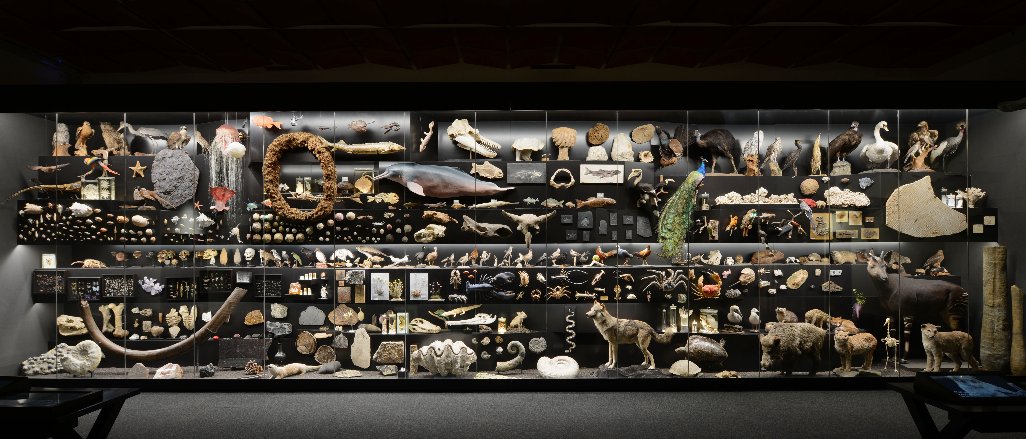
The Senckenberg Gesellschaft für Naturforschung has joined the international consortium of the Biodiversity Heritage Lib…
The Mediterranean vampire snail Cumia intertexta has been named the “International Mollusc of the Year 2026.” In a publi…

A new genetic study shows that cultural diversity in the so-called Southern Cone – the roughly triangular southernmost p…

Three snails, two bivalves, one title. Starting today, all mollusc fans are invited to visit https://sgn.one/... to hel…

A team of South African and German researchers led by Senckenberg scientist Dr. Melita Vamberger and Dr. Adrian J. Armst…

The limestone caves of Laos are hotspots of biodiversity: Senckenberg arachnologist Dr. Peter Jäger and his colleague Li…

With the almost complete decoding of the genome of the rare earless monitor lizard, a Senckenberg team of taxonomists an…

An international team led by Senckenberg researcher Dr. Ralf Britz has made an extraordinary discovery in Northeast Indi…

Along with forests, grasslands and wetlands are also being converted to cropland and pasture at an increasing rate aroun…

Soil food webs conduct most of the energy in terrestrial ecosystems. Temperate and tropical forests are home to differen…

